Source RoHS Tantalum Capacitor for Power, Motor, and Lighting
Find 30 rohs tantalum capacitor options for power, motor, and lighting applications. Compare specifications including voltage ratings, capacitance, and packaging types to select the right components for your electronic designs; compare the available evidence and request quotations based on your requirements.
Key considerations
Products List


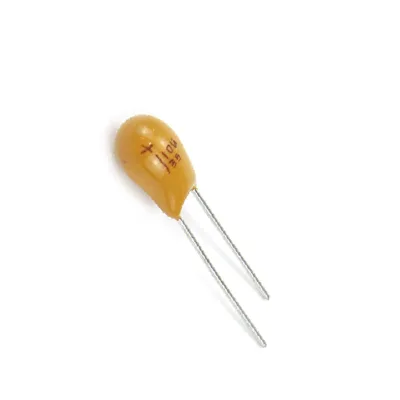
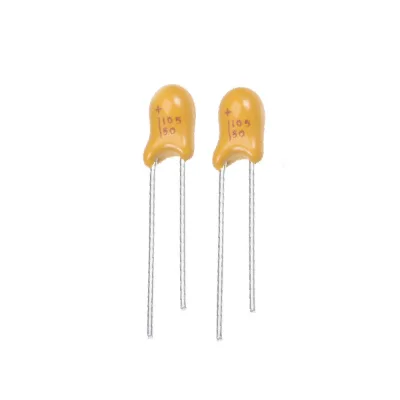


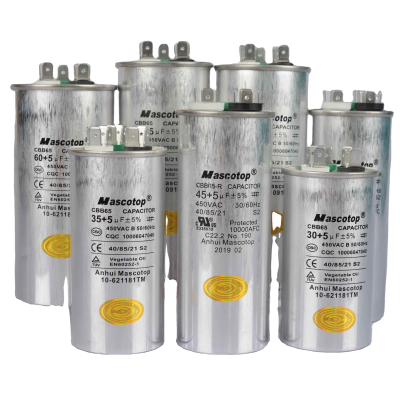


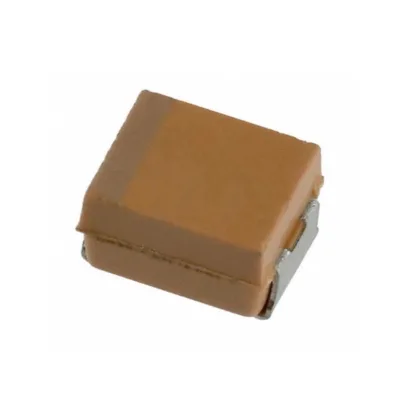
Comprehensive Sourcing Guide
RoHS Tantalum Capacitor Sourcing Guide
Procuring RoHS-compliant tantalum capacitors requires distinguishing between genuine surface-mount components and generic electrolytic listings that may share similar keywords. Buyers must scrutinize product attributes to confirm the specific manufacturing material, as some listings describe polypropylene structures or liquid tantalum filters that do not match the solid-state requirements of standard tantalum applications. Verifying the exact type designation, such as TPSD107K020R0150, ensures the component matches the intended circuit topology rather than a generic high-voltage or air conditioner part.
The observed market data reveals a wide variance in packaging and delivery terms that directly impacts supply chain reliability. While some entries indicate a rapid three-to-seven-day delivery window, others specify lead times extending up to eight weeks, necessitating careful alignment with production schedules. Buyers should prioritize suppliers who explicitly state their packaging type, such as vacuum or carton box, to prevent moisture damage during transit, especially since tantalum capacitors are sensitive to environmental conditions that can degrade performance before installation.
Product Scope and Observed Listing Signals
The product scope for this category includes a mix of surface-mount and through-hole configurations, with specific models like UC-0030 and TMCT10 appearing in the dataset. Buyers must verify the installation style, as the presence of SMD/SMT options alongside axial types indicates a diverse inventory that may not all be suitable for automated assembly lines. The observed voltage ratings range from 6.3VDC to 20VDC, requiring precise matching to the circuit's operating voltage to avoid premature failure or insufficient performance in high-frequency coupling applications.
Listing signals often contain conflicting attributes, such as a product described as a "Padder" structure while simultaneously labeled as a "Fixed Capacitor." This inconsistency suggests that some listings may be aggregating data from different manufacturers or product lines. Procurement teams should focus on the specific model numbers and manufacturing materials listed, such as Tantalum Electricity or Polypropylene, to ensure the component aligns with the specific electrical requirements of the target application, whether it is for general purpose use or high-voltage motor control.
Technical Specifications to Verify
Technical verification begins with confirming the capacitance range and tolerance levels, which are critical for maintaining signal integrity in coupling and filtering circuits. The observed data indicates capacitance values between 1 and 50 microfarads with tolerances of 10% or 20%, but buyers must ensure these figures apply to the specific tantalum variant rather than a polypropylene alternative. The operating temperature range of -55℃ to +125℃ is a key specification for high-reliability applications, and components must be tested to confirm they can withstand these extremes without degradation in performance.
Voltage rating and encapsulation style are equally vital for ensuring physical and electrical compatibility within the final assembly. The dataset lists a 20VDC rating and a 7343D encapsulation for certain models, while others specify a Case D form factor with a 35V rating. Buyers must cross-reference these electrical limits against their design schematics to prevent over-voltage stress. Additionally, the lead type, whether axial or surface mount, must match the board layout to avoid mechanical stress on the solder joints during thermal cycling.
Compliance and Safety Documentation
Compliance verification is essential when sourcing components for international markets, particularly regarding the RoHS directive which restricts hazardous substances. While some listings explicitly mention CE RoHS standards, others only reference general certifications like SGS or 68uf, 6.3VDC as a standard, which may be a mislabeled specification rather than a formal compliance certificate. Buyers should request formal test reports or certificates of conformity that specifically address the RoHS directive to ensure the tantalum capacitors do not contain restricted lead or other prohibited materials.
Safety documentation must also cover the manufacturing origin and the condition of the components upon delivery. The observed data indicates that products originate from China and are marketed as "New & 100% Original," yet buyers should verify this claim through batch traceability records. Ensuring that the packaging, whether vacuum-sealed or in a carton box, maintains the integrity of the component is crucial for preventing moisture ingress, which can lead to catastrophic failure in tantalum capacitors during operation.
Cost Drivers and Commercial Terms
Cost drivers in this market are heavily influenced by the minimum order quantity and the specific lead time required for delivery. The observed MOQ ranges from 5 pieces to 1000 pieces, creating a significant price disparity between small-batch prototyping and large-scale production runs. Buyers must calculate the total cost of ownership, including the potential premium for expedited shipping if the standard lead time of three to eight weeks does not align with their production schedule, as delays can incur substantial downstream costs.
Commercial terms regarding warranty and packaging also play a significant role in the final procurement decision. A one-year warranty is observed for certain models, providing a baseline for quality assurance, but buyers should negotiate terms that cover potential defects discovered during the initial production run. The packaging type, such as bulk or carton, affects handling costs and storage requirements, so procurement teams should factor these logistical details into their budgeting to avoid unexpected expenses during the supply chain execution phase.
Supplier Qualification and Quality Control
Supplier qualification requires a rigorous assessment of their ability to deliver consistent quality across different product models and specifications. The dataset shows a mix of product standards, from "New & 100% Original" to specific model numbers like TMCT01 and TMCT02, indicating that suppliers may offer a broad portfolio. Buyers should verify that the supplier has a robust quality control process that covers the entire range of their inventory, ensuring that every batch meets the specified voltage, capacitance, and tolerance requirements without deviation.
Quality control checks must extend to the physical attributes of the components, such as color and case dimensions, which can indicate manufacturing consistency. The observed gold color and specific case types like D or 7343D serve as visual identifiers that should be consistent across all units delivered. Procurement teams should implement incoming inspection protocols that verify these physical characteristics alongside electrical testing to ensure that the received components match the ordered specifications and are free from cosmetic or structural defects.
Long-Term Procurement Checks
Long-term procurement success depends on establishing a reliable supply chain that can adapt to changing production volumes and technical requirements. Buyers should monitor the supplier's ability to maintain consistent lead times, as the observed range of three days to eight weeks suggests potential variability in their production capacity. Developing a strategic partnership with suppliers who can provide stable delivery schedules and transparent communication regarding inventory levels is essential for mitigating supply chain risks.
Continuous verification of component performance and compliance is necessary to ensure long-term reliability in the field. Buyers should periodically review the supplier's certification status and test results to confirm that the RoHS compliance and other safety standards remain valid over time. Additionally, maintaining a record of the specific model numbers and their performance in actual applications will help identify any recurring issues or improvements needed in future procurement cycles, ensuring the continued success of the electronic assemblies.
FAQs
What is the voltage rating for the UC-0030 polypropylene capacitor?
The UC-0030 polypropylene capacitor features a voltage rating of 20VDC. This component is designed for surface mount installation and operates within a temperature range of -55℃ to +125℃. It offers a capacitance of 1-50uf with a 10% tolerance, making it suitable for high and low frequency coupling applications in general purpose circuits.
Can I source RoHS compliant tantalum capacitors with specific lead times?
Yes, you can source RoHS compliant tantalum capacitors with documented lead times. The TPSD107K020R0150 model has a lead time of 3-8 weeks and comes with a 1-year warranty. These axial type components are packaged in bulk and are available from manufacturers in China, ensuring compliance with standard quality expectations for electronic assemblies.
Which packaging types are available for fixed capacitor applications?
Fixed capacitor applications can utilize various packaging types including surface mount and through hole options. The TMCT10 model is packaged in carton boxes and supports filter usage. Another variant, the TMCT01, is available in packing formats. These options allow for flexible integration into different circuit board designs and manufacturing workflows.
What are the operating conditions for the TMCT02 capacitor?
The TMCT02 capacitor is designed for high frequency coupling and operates with a 35V voltage rating. It features a D case structure and a 20% tolerance. With an MOQ of 1000PCS and a lead time of 2 weeks, this component is suitable for bulk procurement needs in general purpose electronic applications requiring reliable performance.
How does customization affect the delivery time for these capacitors?
Customization is available for these capacitors, which can influence delivery schedules. While standard items like the UC-0030 have a delivery time of 3-7 days, customized orders may vary. The TPSD107K020R0150 has a longer lead time of 3-8 weeks. Buyers should confirm specific requirements with suppliers to ensure timely project completion.